
Why Your Property Might Need a Domestic Sewage Pump Station
If your property sits below the mains sewer or you're planning an extension, gravity drainage might not be enough. Discover the signs that show you need a domestic sewage pump station, how it works, and what to expect from installation and maintenance.
Let's chat about **it
If you're ready to get serious about your sewage systems and grease management, our team of experts is ready to help. Whether you need a new system installed or ongoing maintenance, we provide comprehensive services for both residential and commercial clients.
If your home sits below the level of the main sewer, relies on gravity that simply isn’t there, or has recently been extended into a basement or annexe, you may already be dealing with drainage problems without realising the root cause. A domestic sewage pump station could be the missing piece. Here’s everything you need to know about whether your property needs one, and what to do next.
What Is a Domestic Sewage Pump Station?
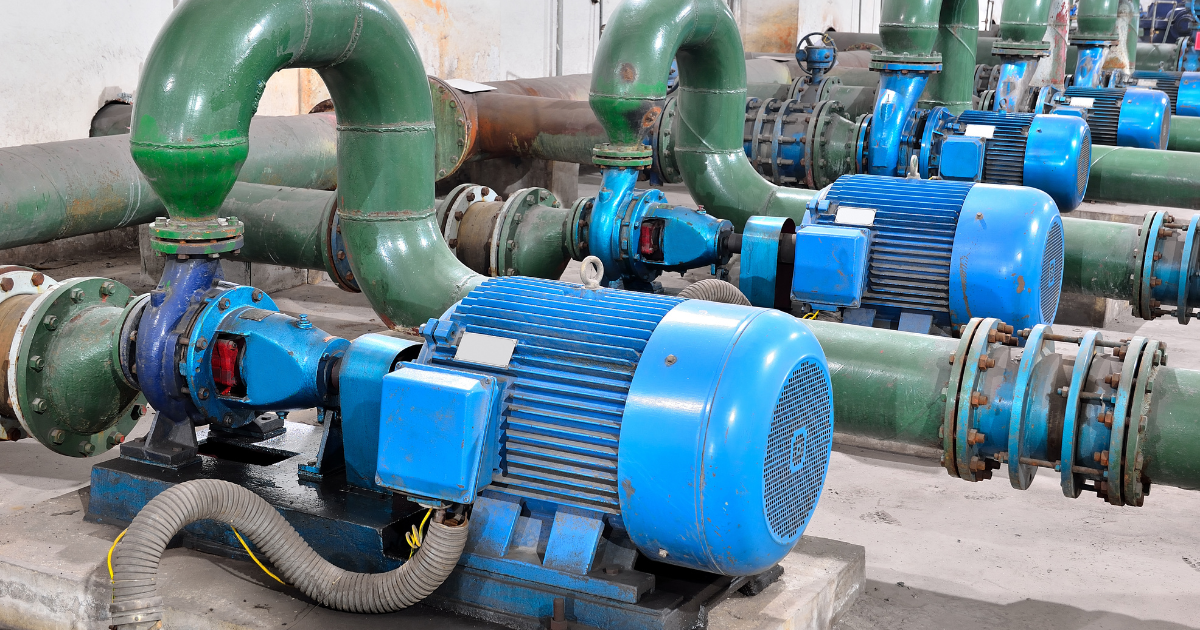
A domestic sewage pump station is a self-contained system that collects wastewater from your property and pumps it up and out to the mains sewer or a septic tank, rather than relying on gravity alone. It typically consists of an underground chamber, a pump, and a control panel that automatically activates when wastewater reaches a certain level.
For most homes, gravity does the job of moving waste from the house to the sewer. But not every property has that luxury. When the ground level, pipe layout, or distance to the sewer makes gravity drainage impossible, a pump station steps in to do the work mechanically.
Signs Your Property Might Need a Pump Station
Not sure whether this applies to you? Here are the most common indicators:
- Your property sits below the level of the mains sewer. This is the single biggest reason homeowners need a domestic sewage pump station. If wastewater can’t flow downhill to the sewer, it needs help getting there.
- You’ve built a basement conversion or annexe. Extensions below ground level often can’t connect to existing drainage without a pump station.
- You’re in a rural or low-lying area. Properties without easy access to mains drainage frequently rely on pump stations to move waste to a septic tank or treatment plant.
- You experience recurring slow drainage or backups. If wastewater is struggling to leave your property, especially after heavy rain, this can be a sign that gravity drainage isn’t working as it should.
- You’re planning a renovation that changes your drainage layout. Adding a bathroom, utility room, or ground floor extension can sometimes shift your property below the gravity threshold needed for standard drainage.
Pump Station Services vs Septic Tank Systems
It’s a common question we hear when discussing property drainage: do you need a pump station, a septic tank, or both? The answer depends on where your wastewater is ultimately going.
A septic tank pump station is often used alongside a septic tank when the tank itself is positioned in a spot that gravity can’t reach, or when wastewater needs to travel uphill before it settles. In these cases, the pump station and the tank work together rather than as alternatives. If you’re unsure which setup suits your property, a site assessment is the quickest way to get a clear answer.
The Benefits of Installing a Domestic Sewage Pump Station
Beyond simply making drainage possible where gravity can’t help, a well-installed pump station offers real, ongoing advantages:
- Reliable wastewater removal, even from properties in the most awkward or low-lying positions
- Reduced risk of backups and flooding, particularly during heavy rainfall
- Flexibility for renovations and extensions, opening up design options that gravity drainage would otherwise rule out
- Long-term durability, when installed and maintained correctly by experienced professionals
Sewage Pump Station Maintenance: What to Expect
Like any mechanical system, a pump station needs regular servicing to keep working properly. Sewage pump station maintenance typically involves checking the pump for wear, clearing any blockages in the chamber, testing the control panel and alarms, and inspecting seals and pipework for signs of damage.
Skipping maintenance is one of the most common reasons pump stations fail prematurely, often leading to unpleasant and costly emergency call-outs. A simple annual service can catch small issues before they become expensive problems.
How to Know If Your Property Qualifies
The best way to find out whether your property needs a domestic sewage pump station is to have it assessed by a specialist. Factors like ground level, distance to the mains sewer, soil type, and planned building work all play a part in the decision.
If you’ve noticed any of the warning signs above, or you’re planning work that will change how your property drains, it’s worth getting expert input sooner rather than later.
Get Expert Advice on Domestic Sewage Pump Stations
Whether you’re dealing with recurring drainage issues, planning an extension, or simply want to know if a pump station is right for your property, our team at Serious Waste Management is here to help. We provide expert assessments, installation, and ongoing pump station services and maintenance across the UK.
Get in touch with us today to book a site assessment or speak to one of our specialists about your domestic sewage pump station needs.
time to get serious**
Related articles
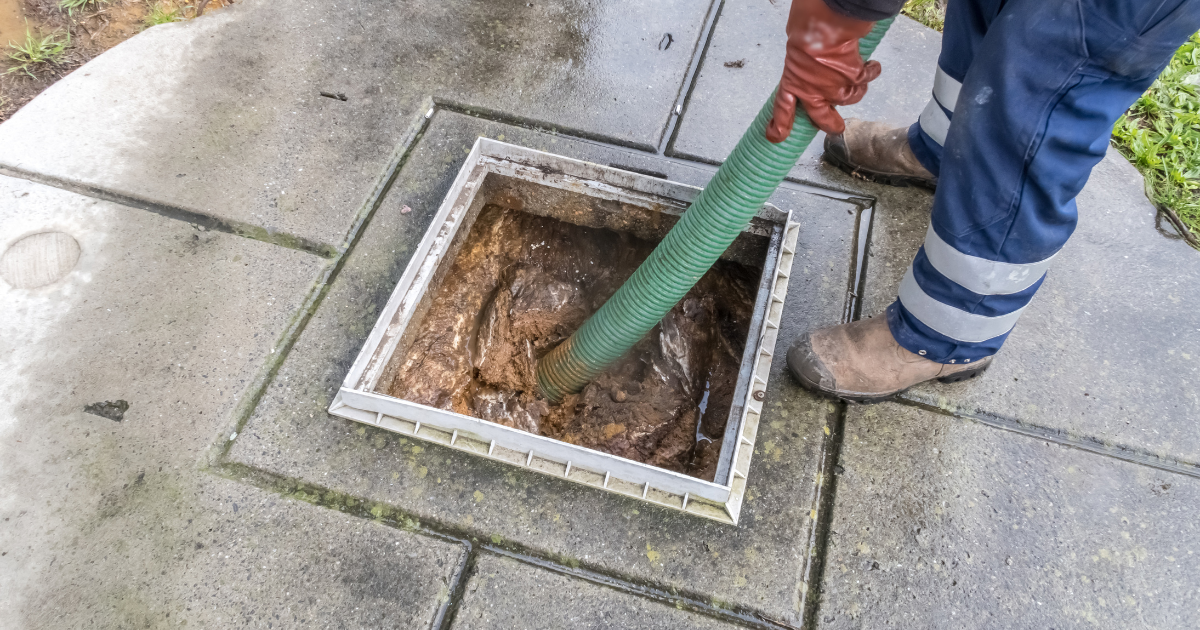
What Is a Cesspool and How Is It Different to a Septic Tank?
Not sure what a cesspool actually is, or how it differs from a septic tank? You're not alone. For anyone managing an off-mains property, understanding the difference between the two can save a lot of confusion, a lot of money, and more than a few headaches.

How Commercial Properties Can Reduce Downtime with Regular Septic System Maintenance
For commercial properties running on a private sewage system, regular septic system maintenance isn't optional, it's what stands between smooth daily operations and an expensive, disruptive emergency.

Top 5 Facts About Fatbergs You Didn’t Know
Fatbergs are massive, troublesome clogs made up of fats, oils, grease (FOG), and non-flushable items like wet wipes, creating serious issues for sewer systems worldwide. These monstrous blockages are not only costly to remove but also pose environmental hazards, leading to water pollution and costly infrastructure repairs.
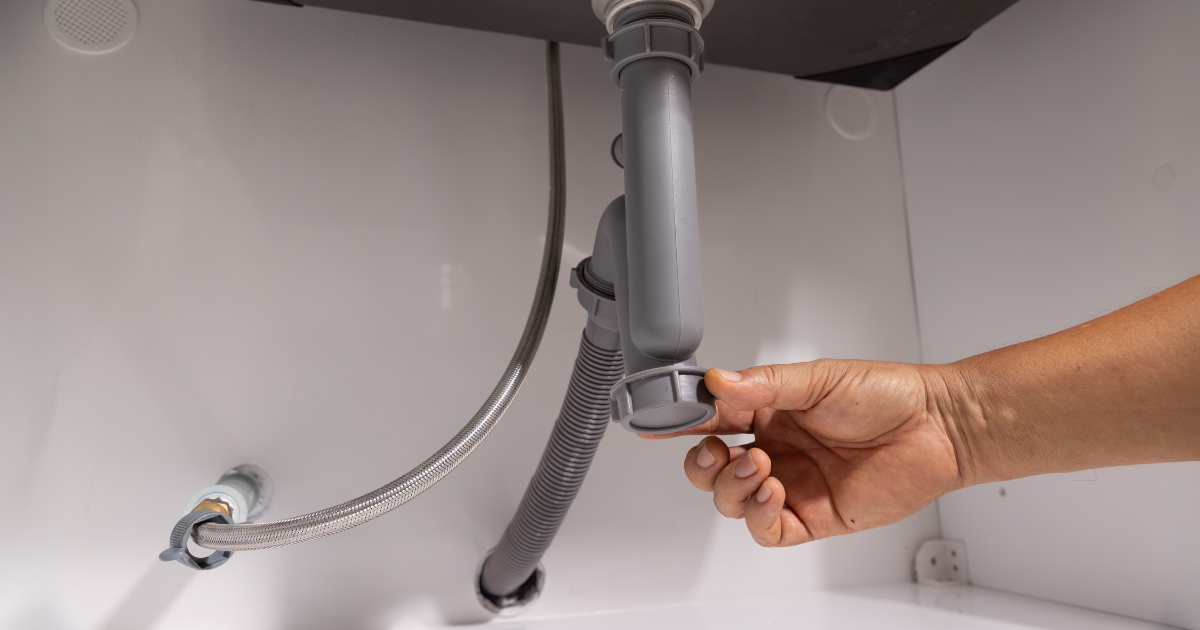
Domestic Grease Trap: How It Can Save You Thousands in Plumbing Repairs
If you’ve ever dealt with a blocked sink or unexpected plumbing bill, a domestic grease trap could be the simple solution that saves you time, stress, and money.


