


Domestic Grease Trap: How It Can Save You Thousands in Plumbing Repairs
If you’ve ever dealt with a blocked sink or unexpected plumbing bill, a domestic grease trap could be the simple solution that saves you time, stress, and money.
Let's chat about **it
If you're ready to get serious about your sewage systems and grease management, our team of experts is ready to help. Whether you need a new system installed or ongoing maintenance, we provide comprehensive services for both residential and commercial clients.
What Is a Domestic Grease Trap and How Does It Work?
Understanding Grease Trap Functionality
Let’s keep it simple. A domestic grease trap is a small but incredibly useful device that stops fats, oils, and grease (FOG) from going straight down your drains.
When you wash up after cooking, all that greasy water doesn’t just disappear; it flows into your pipes. Without protection, that grease cools, hardens, and sticks to the inside of your plumbing. Over time, that’s where the trouble begins.
A grease trap works by separating everything before it causes damage:
- Grease floats to the top
- Food particles sink to the bottom
- Cleaner water flows safely through your pipes
It’s a straightforward solution, but one that can make a huge difference.
Why Grease Is a Major Problem in Household Drains
We’ve all poured oil or rinsed greasy pans down the sink at some point. It feels harmless in the moment, but it adds up quickly.
As grease builds up, it creates a sticky layer inside your pipes. Eventually, this leads to:
- Slow-draining sinks
- Unpleasant smells
- Stubborn blockages
And once a blockage forms, it rarely fixes itself. That’s where costs start creeping in.
Why You Need a Domestic Grease Trap in Your Home
Prevent Expensive Plumbing Repairs
Plumbing issues tend to show up at the worst possible time, and they’re rarely cheap.
Blocked drains often mean calling in professionals, and depending on the severity, you could be looking at:
- Drain jetting services
- Pipe repairs or replacements
- Emergency callout fees
A domestic grease trap helps you avoid all of that by tackling the problem early. Instead of dealing with damage, you’re preventing it altogether.
Avoid Blocked Drains and Pipe Damage
It’s not just about blockages; grease can actually damage your pipes over time. As the buildup increases, pressure inside the pipes can lead to cracks or leaks. In some cases, this damage isn’t even visible until it becomes serious.
By installing a domestic grease trap, you’re giving your plumbing system a layer of protection that keeps everything flowing as it should.
Common Plumbing Problems Caused by Grease Build-Up
Fatbergs and Drain Blockages Explained
You’ve probably heard of fatbergs, those massive, rock-like clumps of grease found in sewers. While they’re usually associated with cities, smaller versions can form in your home’s pipes too.
It starts with grease, then builds up with food waste and debris. Before you know it, you’ve got a blockage that’s tough to shift.
Long-Term Damage to Pipes and Sewer Systems
Grease doesn’t just sit there; it causes long-term wear and tear.
Over time, it can lead to:
- Corroded pipes
- Hidden leaks
- Reduced drainage efficiency
These issues don’t just affect your home; they can also impact the wider drainage system if left unchecked.
How a Domestic Grease Trap Saves You Money
Reduced Emergency Callouts
Emergency plumbing callouts are never ideal. They’re disruptive, stressful, and often expensive. The reality is, most of these emergencies are preventable. A domestic grease trap reduces the chances of sudden blockages and backups, meaning you’re far less likely to need urgent repairs.
Lower Maintenance Costs Over Time
When compared to major plumbing repairs, maintaining a grease trap is simple and affordable. Think of it like servicing your car; it’s a small, regular task that helps you avoid much bigger problems later on.
Without a grease trap, you’re far more likely to deal with frequent blockages, unexpected plumbing issues, and higher repair bills. These problems often come out of nowhere and can quickly become costly and stressful. On the other hand, with a domestic grease trap in place, your pipes stay clearer, maintenance becomes more predictable, and overall costs are much lower. Instead of reacting to emergencies, you’re taking control with a preventative approach that gives you long-term peace of mind.
Domestic Grease Trap Installation: What Homeowners Should Know
Where to Install a Grease Trap
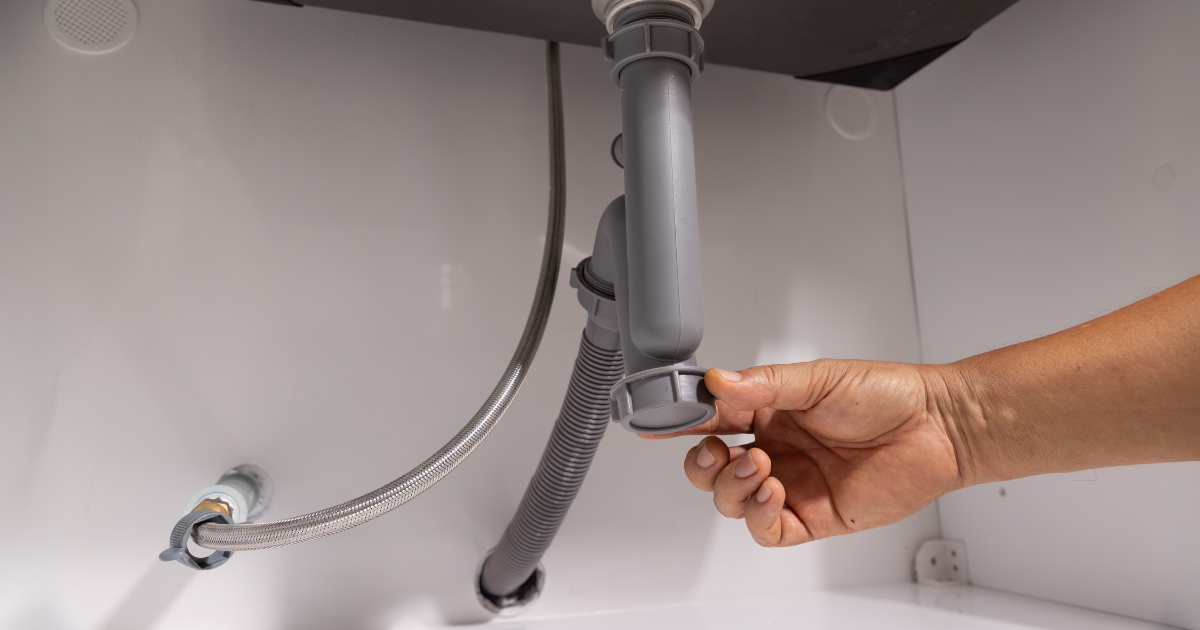
Most domestic grease trap systems are installed either under the kitchen sink or just outside the property.
The key is making sure it’s:
- Easy to access for cleaning
- Positioned correctly within your plumbing system
- Suitable for your household’s usage
Getting this right from the start makes a big difference.
Professional Installation vs DIY
While DIY might seem tempting, grease trap installation isn’t always as straightforward as it looks.
A professional will ensure:
- Correct sizing and fit
- Proper connections
- Compliance with UK standards
In the long run, it’s the safer and more reliable option.
Domestic Grease Trap Maintenance Tips for Long-Term Performance
How Often Should You Clean a Grease Trap?
Cleaning your grease trap doesn’t have to be complicated. For most homes, every 1–3 months is enough to keep things running smoothly. If you cook often or use a lot of oil, you might need to do it more regularly.
Signs Your Grease Trap Needs Attention
Not sure when it needs cleaning? Your home will usually give you a few hints:
- Water draining slowly
- Lingering smells from the sink
- Grease is visible in the trap
- Minor backups
Catching these signs early can save you from bigger issues later.
Protect Your Home and Save Money Today
At the end of the day, a domestic grease trap is one of those small upgrades that can make a big impact. It keeps your pipes clear, reduces the risk of unexpected repairs, and helps your whole plumbing system run more smoothly.
Instead of reacting to problems, you’re staying one step ahead, and that’s where the real savings come in.
Ready to Protect Your Home?
If you’re tired of worrying about blocked drains or unexpected plumbing costs, we’re here to help. Get in touch with us today to find out how we can supply, install, and maintain the right domestic grease trap for your home.
Our team is ready to make the process simple, stress-free, and tailored to your needs, so you can enjoy a cleaner, more efficient kitchen without the hassle.
time to get serious**
Related articles
Why Your Property Might Need a Domestic Sewage Pump Station
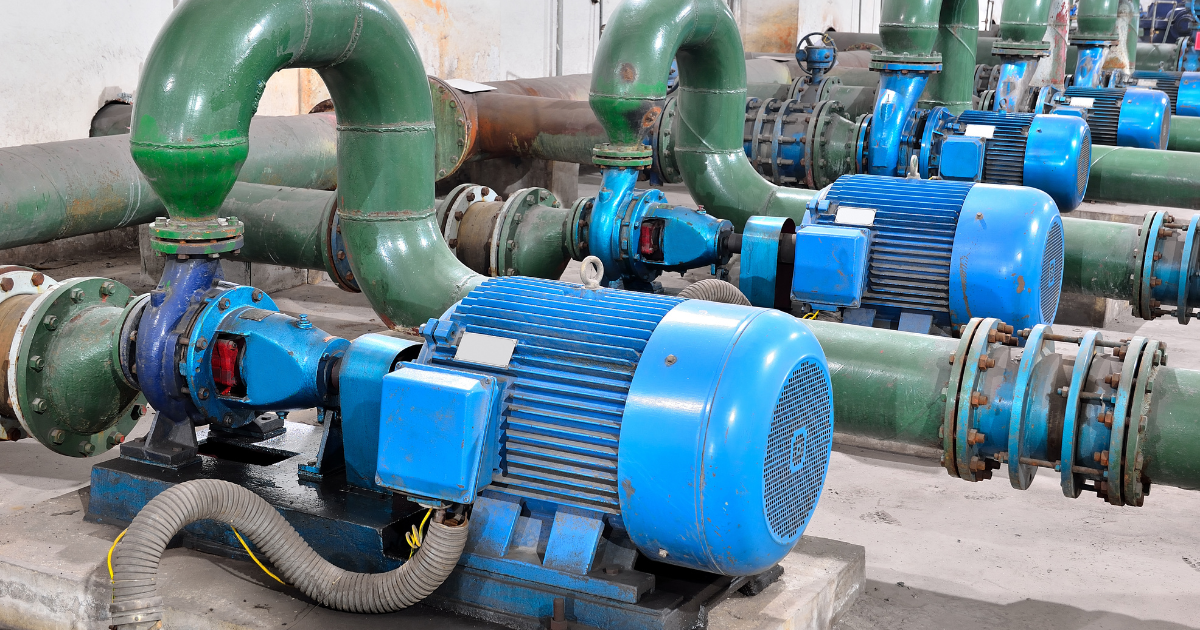
If your property sits below the mains sewer or you're planning an extension, gravity drainage might not be enough. Discover the signs that show you need a domestic sewage pump station, how it works, and what to expect from installation and maintenance.
What Is a Cesspool and How Is It Different to a Septic Tank?
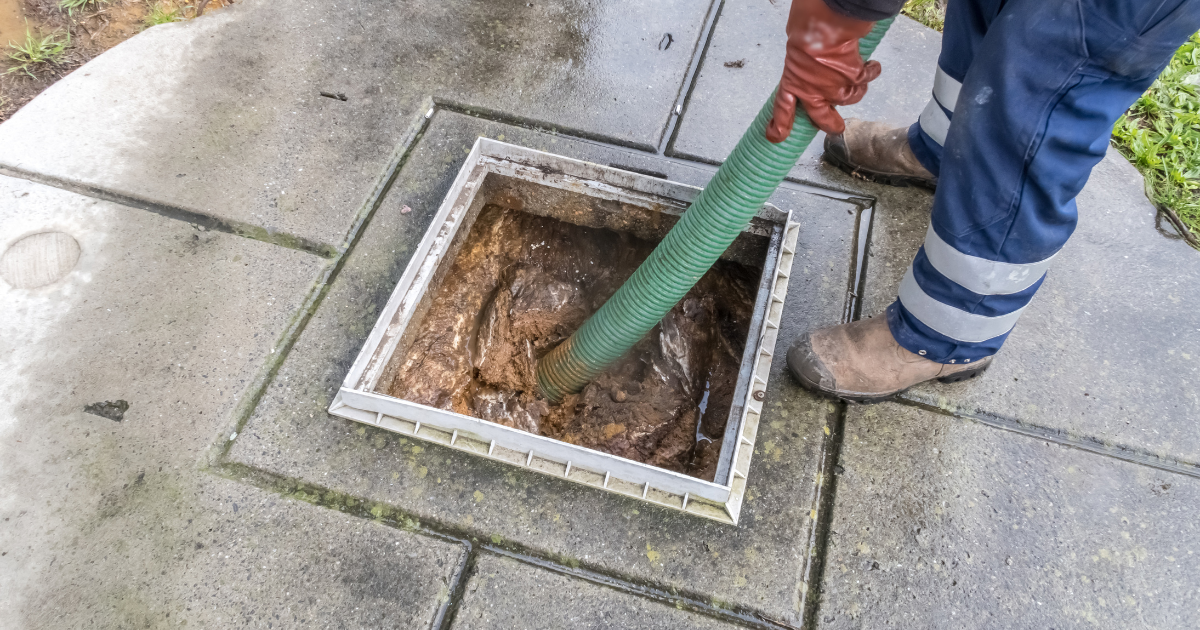
Not sure what a cesspool actually is, or how it differs from a septic tank? You're not alone. For anyone managing an off-mains property, understanding the difference between the two can save a lot of confusion, a lot of money, and more than a few headaches.

How Commercial Properties Can Reduce Downtime with Regular Septic System Maintenance
For commercial properties running on a private sewage system, regular septic system maintenance isn't optional, it's what stands between smooth daily operations and an expensive, disruptive emergency.

Top 5 Facts About Fatbergs You Didn’t Know
Fatbergs are massive, troublesome clogs made up of fats, oils, grease (FOG), and non-flushable items like wet wipes, creating serious issues for sewer systems worldwide. These monstrous blockages are not only costly to remove but also pose environmental hazards, leading to water pollution and costly infrastructure repairs.


