
What Is a Cesspool and How Is It Different to a Septic Tank?
Not sure what a cesspool actually is, or how it differs from a septic tank? You're not alone. For anyone managing an off-mains property, understanding the difference between the two can save a lot of confusion, a lot of money, and more than a few headaches.
Let's chat about **it
If you're ready to get serious about your sewage systems and grease management, our team of experts is ready to help. Whether you need a new system installed or ongoing maintenance, we provide comprehensive services for both residential and commercial clients.
If you own or manage a property that isn’t connected to the mains sewer, you’ve probably come across the terms cesspool and septic tank at some point, and wondered whether they’re actually the same thing. It’s a fair question. Both deal with wastewater for off-mains properties, but they work in completely different ways. Mix them up, and you could end up with the wrong system for your site, or worse, an expensive problem that could have been avoided.
So let’s clear it up. Here’s everything you need to know about cesspools, how they compare to septic tanks, and what it all means for your property.
What Is a Cesspool?
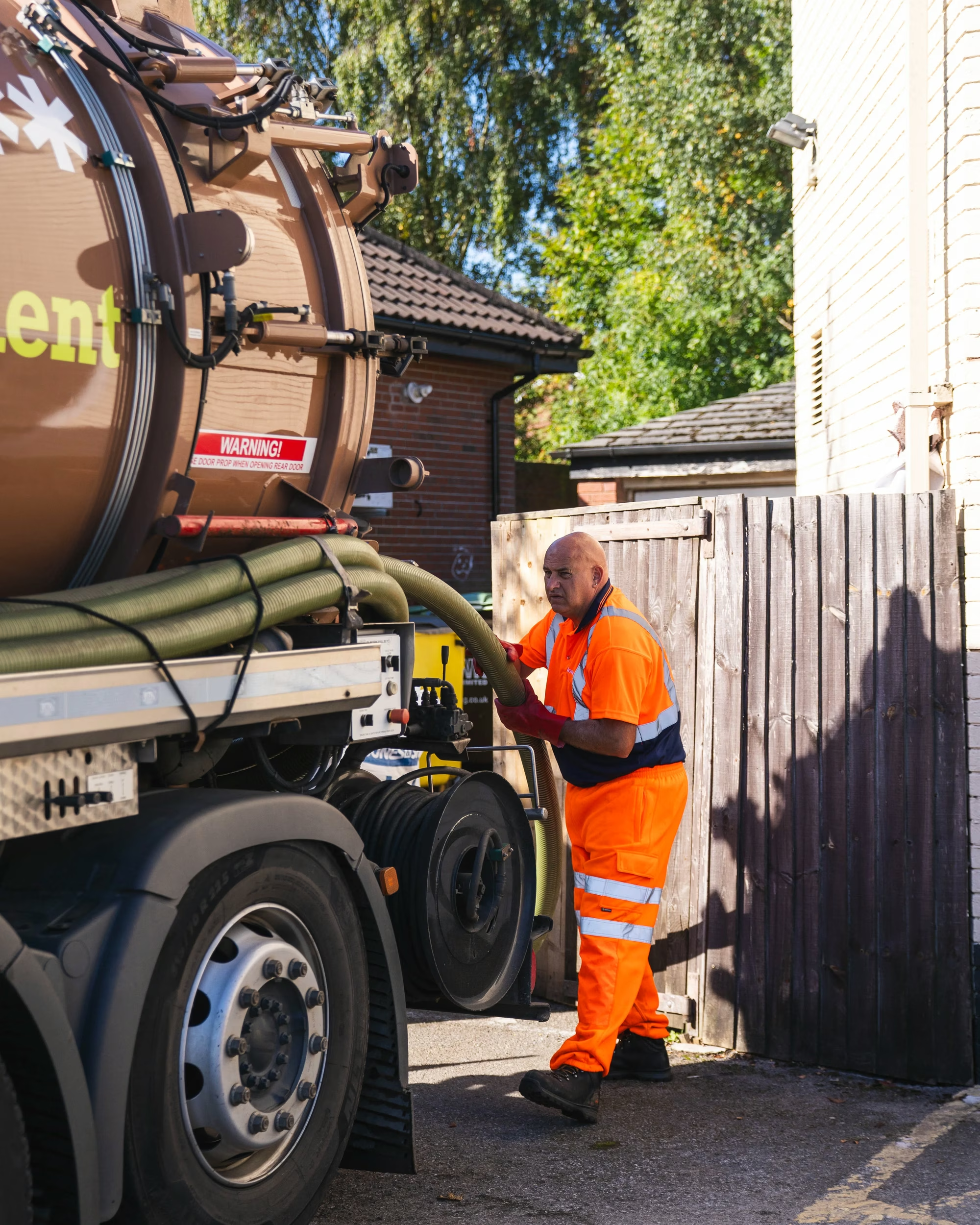
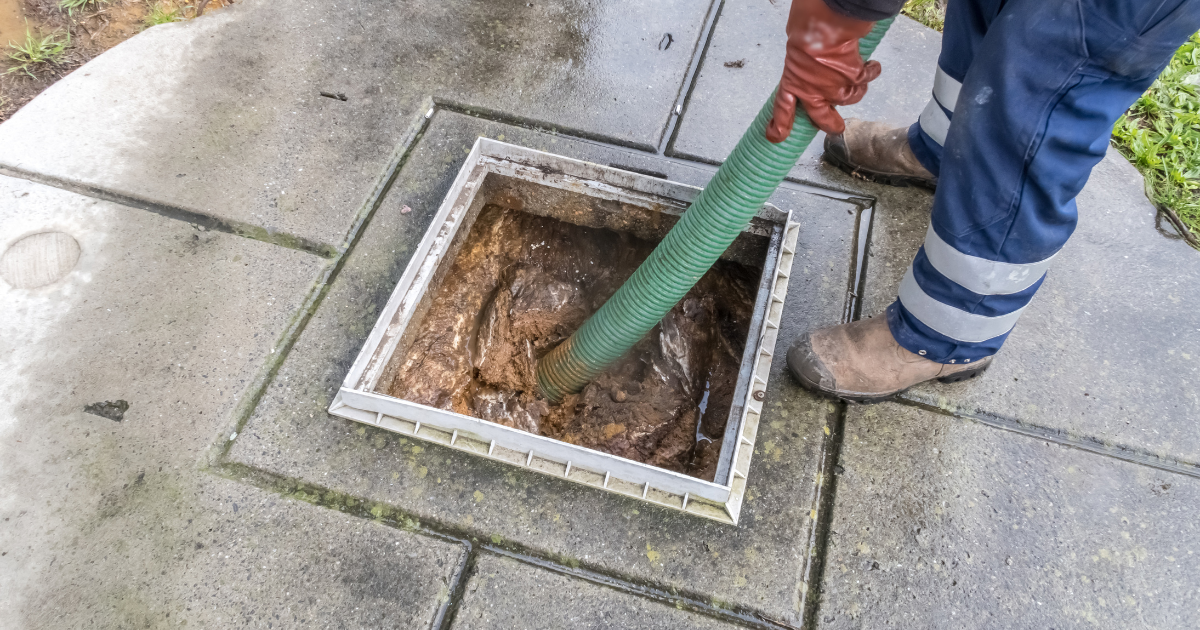
A cesspool, sometimes called a cesspit, is a sealed underground tank that collects and holds sewage and wastewater. That’s the full extent of what it does. There’s no treatment happening inside, and nothing drains away. Everything that goes in stays in until a licensed waste carrier comes to empty it.
Because there’s no outlet, cesspools fill up faster than you might expect. Depending on the size of the tank and how many people are using the property, you could be looking at an empty every few weeks. For a busy commercial site or a property with a lot of occupants, that can feel relentless, which is exactly why having a reliable emptying service in place matters more than most people realise.
You’ll typically find cesspools on rural or isolated properties where mains drainage isn’t an option and the ground conditions rule out a soakaway. They’re also commonly used as temporary setups on construction sites while a more permanent solution is being planned.
What Is a Septic Tank and How Does It Work?
A septic tank is also buried underground, but it does quite a bit more than just hold waste. Once sewage enters the tank, solids sink to the bottom and form a layer of sludge, while fats and oils float to the top. The liquid sitting in the middle, the effluent, gets partially treated inside the tank before passing out through an outlet pipe into a drainage field, where it continues to break down naturally in the soil.
Because of this process, a septic tank doesn’t need emptying anything like as often as a cesspool. A well-maintained tank typically only needs desludging once a year, a much more manageable schedule.
The catch is that septic tanks need the right ground conditions to work properly. If the soil around your property is waterlogged, clay-heavy, or sits close to a watercourse, a drainage field simply won’t function as it should. In those cases, a cesspool or a sewage treatment plant is often the more sensible route.
Cesspool vs Septic Tank: What’s the Difference?
Here’s a plain-English breakdown of where the two systems differ:
Storage vs Treatment: A cesspool holds everything - no treatment, no discharge. A septic tank separates waste and releases partially treated effluent into the ground through a drainage field.
Emptying Frequency: Cesspools need emptying regularly, sometimes every few weeks, because they have nowhere for liquid to go. Septic tanks only need desludging around once a year under normal use.
Ground Conditions Required: Cesspools don’t need a drainage field, which makes them a solid option where soil drainage is poor, or groundwater levels are high. Septic tanks do need appropriate ground conditions to function correctly.
Running Costs: The frequency of cesspool emptying means the ongoing costs are generally higher than running a septic tank or sewage treatment plant. It’s worth factoring that into your thinking from the outset.
Regulation: Both systems sit within the scope of UK environmental regulations. Since January 2020, older septic tanks that discharge directly into a watercourse are no longer compliant under the Environment Agency’s general binding rules. Because cesspools are sealed and discharge nothing, they avoid that issue, but they still need to be emptied by a licensed waste carrier and managed responsibly.
What About a Sewage Treatment Plant? How Does That Compare?
A sewage treatment plant, sometimes called a package treatment plant, goes a step further than a septic tank. It uses an aeration process to treat wastewater to a significantly higher standard, producing effluent clean enough to discharge directly into a watercourse or ditch, provided the right permits are in place.
For properties where a cesspool is becoming expensive to maintain due to constant emptying, or where a septic tank can no longer meet current regulations, upgrading to a sewage treatment plant is often the most practical long-term move.
At serious**, we handle sewage system installations across the UK - cesspools, septic tanks, and full sewage treatment plant setups. Whatever your situation, we’ll help you work out which option actually makes sense for your site.
How Often Does a Cesspool Need to Be Emptied?
It’s one of the questions we get asked most, and the honest answer is that it varies. The size of the tank, the number of people using the property, and the daily volume of wastewater all play a part. A small cesspool serving two people in a rural cottage will fill at a very different rate to one handling a construction site or a busy commercial premises.
As a rough guide, most domestic cesspools need emptying every six to eight weeks, though some require attention more often than that. Commercial properties tend to fill faster still.
The key thing is not to let it get to the point of overflow. An overfull cesspool can cause sewage to back up into the building, leach into the surrounding ground, or overflow completely, and beyond the obvious unpleasantness, that can carry serious regulatory consequences.
Getting ahead of it with a regular cesspool emptying and maintenance schedule removes the stress entirely. You know when it’s being done, and you’re not scrambling to sort an emergency at short notice.
Do You Need a Cesspool or a Septic Tank? How to Choose
If you’re weighing up the options, these are the questions worth working through:
Is mains drainage available? If it is, connecting to the mains sewer is almost always the most straightforward and cost-effective solution. If not, you’ll need an off-mains system.
What are the ground conditions like? If your soil is waterlogged, clay-heavy, or sits too close to a watercourse for a drainage field to work, a cesspool or sewage treatment plant is likely a better fit than a septic tank.
How easily can you arrange regular emptying? Cesspools need a reliable, ongoing emptying schedule. If your property is remote or access is tricky, it’s worth thinking through the logistics before committing.
What does the long-term budget look like? Cesspools tend to cost less upfront, but the ongoing emptying costs add up. Over time, a sewage treatment plant can work out cheaper, especially for larger or busier properties.
Our team at serious** can carry out a site assessment and talk you through the options without any of the jargon. The goal is always to find what actually works for your property, not just what’s easiest to sell.
Is a Cesspool Legal in the UK?
Yes, completely. Cesspools are legal and widely used across the UK. Because they’re sealed and don’t discharge anything into the ground or nearby watercourses, they don’t fall foul of the restrictions that now apply to certain older septic tanks.
That said, owning a cesspool does come with responsibilities. You’re required to have it emptied regularly and to use a licensed waste carrier to remove the waste. Allowing a cesspool to overflow or discharge untreated sewage into the environment is an offence under the Environmental Protection Act 1990, the Water Resources Act 1991, and the fines can be significant.
Staying on top of your emptying schedule and working with an accredited provider is the simplest way to keep everything above board, and avoid the kind of situation that’s stressful, expensive, and entirely preventable.
Time to Get Serious About Your Cesspool?
Whether you need a new cesspool installed, a dependable emptying service, or you’re not sure whether a septic tank or sewage treatment plant might suit you better, we’re here to help you work it out.
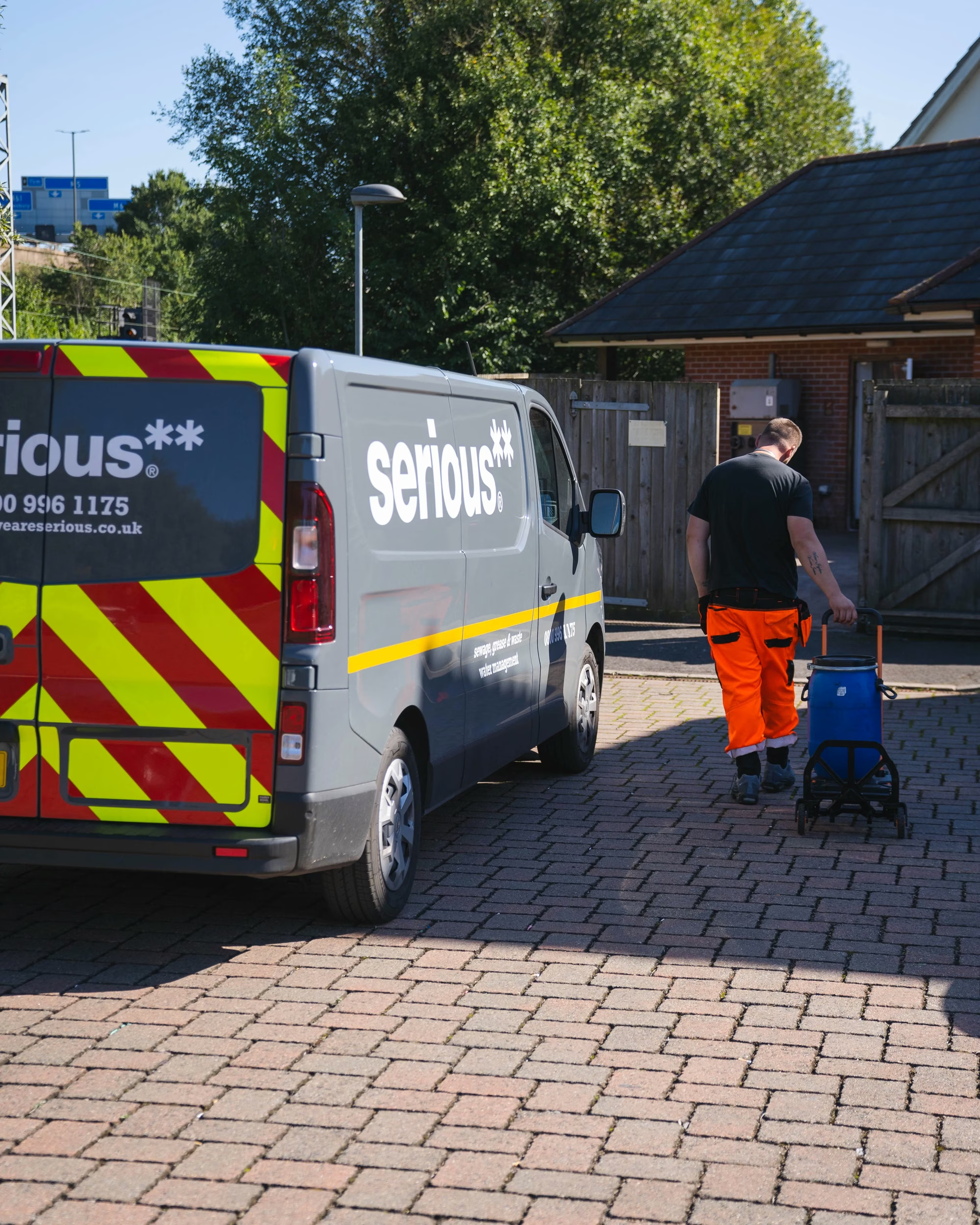
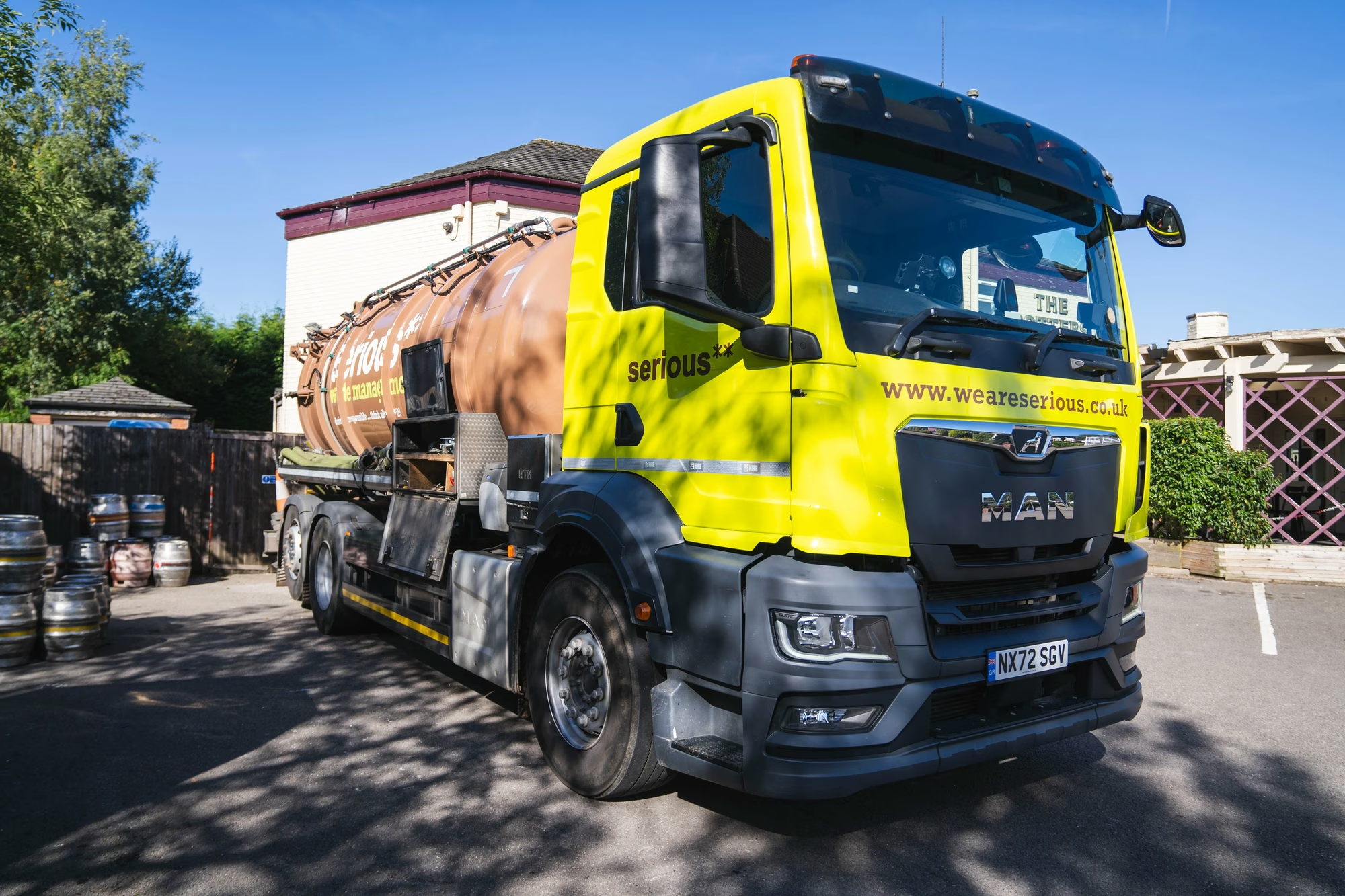
serious** works with domestic clients, rural businesses, commercial properties, and industrial sites across the UK, providing expert sewage tankering, cesspool installations, and servicing and maintenance that keeps things running as they should.
Get in touch with us today - no pressure, no jargon, just straightforward advice from people who know their **it.
time to get serious**
Related articles
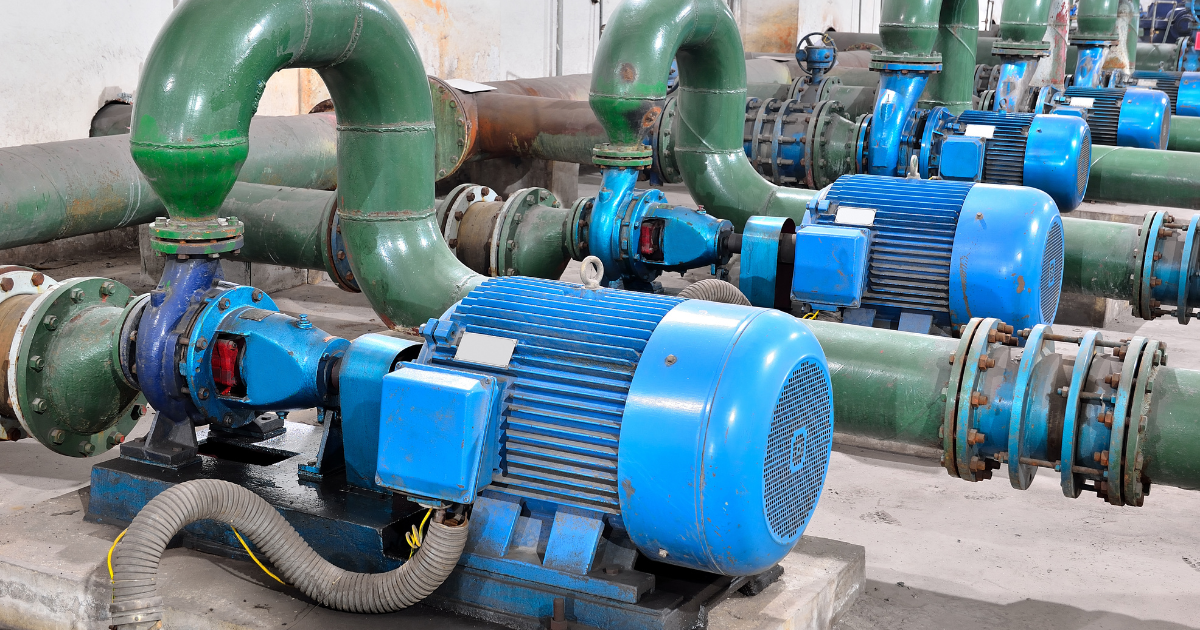
Why Your Property Might Need a Domestic Sewage Pump Station
If your property sits below the mains sewer or you're planning an extension, gravity drainage might not be enough. Discover the signs that show you need a domestic sewage pump station, how it works, and what to expect from installation and maintenance.

How Commercial Properties Can Reduce Downtime with Regular Septic System Maintenance
For commercial properties running on a private sewage system, regular septic system maintenance isn't optional, it's what stands between smooth daily operations and an expensive, disruptive emergency.

Top 5 Facts About Fatbergs You Didn’t Know
Fatbergs are massive, troublesome clogs made up of fats, oils, grease (FOG), and non-flushable items like wet wipes, creating serious issues for sewer systems worldwide. These monstrous blockages are not only costly to remove but also pose environmental hazards, leading to water pollution and costly infrastructure repairs.
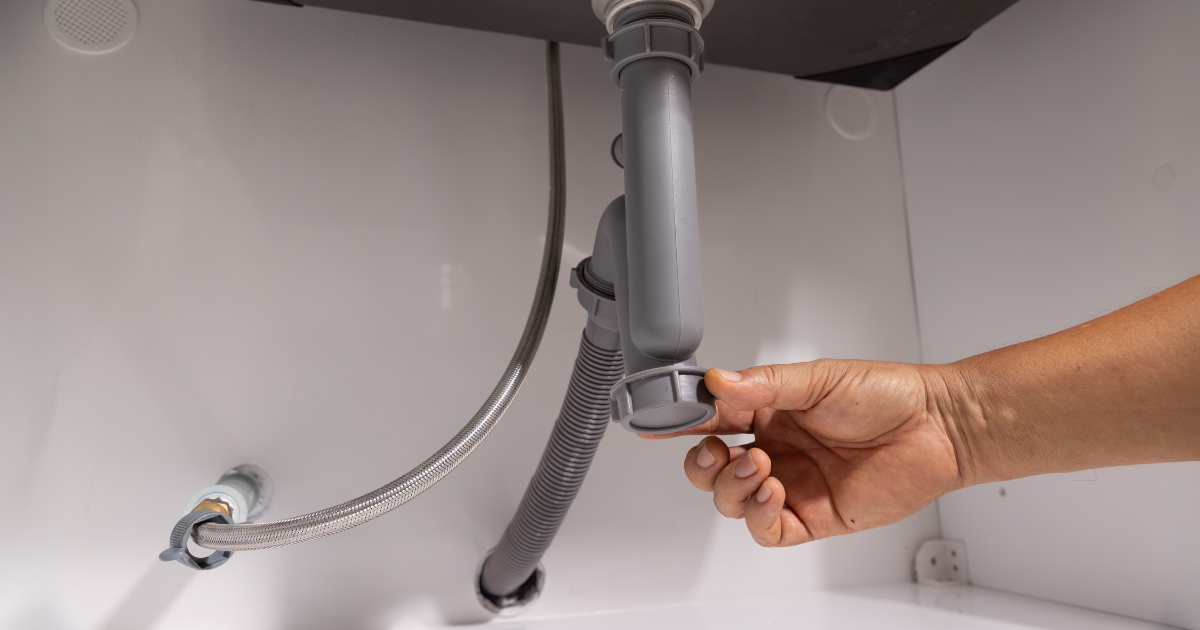
Domestic Grease Trap: How It Can Save You Thousands in Plumbing Repairs
If you’ve ever dealt with a blocked sink or unexpected plumbing bill, a domestic grease trap could be the simple solution that saves you time, stress, and money.


