

How Commercial Properties Can Reduce Downtime with Regular Septic System Maintenance
For commercial properties running on a private sewage system, regular septic system maintenance isn't optional, it's what stands between smooth daily operations and an expensive, disruptive emergency.
Let's chat about **it
If you're ready to get serious about your sewage systems and grease management, our team of experts is ready to help. Whether you need a new system installed or ongoing maintenance, we provide comprehensive services for both residential and commercial clients.
Nobody starts their working day hoping to deal with a sewage problem. But for businesses running on a private septic system, a rural hotel, a busy pub, a multi-site commercial operation, that’s exactly what can happen when maintenance gets pushed down the priority list.
And the thing is, it rarely announces itself with much warning. One day, everything’s fine. Next, you’ve got drains backing up, an emergency callout booked, and a section of your business that simply can’t operate.
Regular septic system maintenance won’t win any awards for being the most exciting thing on your to-do list. But it’s one of the smartest investments a commercial property owner can make, and in this guide, we’ll show you exactly why.
What Is a Commercial Septic System and Why Is It Different from a Domestic One?
Think about the difference in scale. A domestic septic tank typically deals with the wastewater from a handful of people. A commercial system might be handling thousands of gallons every single day, from kitchen drains and staff toilets to industrial wash-down areas and guest bathrooms running around the clock.
That volume puts the system under a completely different kind of pressure. More usage means faster sludge build-up, more stress on the drainage field, and much less margin for error if something starts going wrong.
The businesses we work with most commonly on private sewage systems include hotels, pubs, and restaurants in rural or semi-rural locations; holiday parks and glamping sites off the mains network; industrial facilities with process wastewater; offices and retail parks without a mains connection; and care homes in rural settings.
For all of them, the septic system isn’t a back-of-mind detail. It’s core infrastructure. And it needs to be treated as such.
The Real Cost of Septic System Failure for Commercial Properties
Let’s be straight with you, septic system failures are not cheap. And for a business, the financial hit goes well beyond the repair bill.
Emergency callouts cost significantly more than planned visits. You’re paying for urgency, often out of hours, often with knock-on costs while you wait. Septic system failures can result in unsanitary conditions, costly repairs, and downtime that can severely disrupt business operations. A hotel with a failed sewage system can’t fill rooms. A restaurant with drains backing up can’t serve food. A care home with a compromised system faces a situation that’s both operational and regulatory.
Then there’s the longer-term cost. Replacing an old septic tank is often more expensive than a first-time installation because the old system usually needs to be removed safely before the new one is fitted, with costs typically running between £4,000 and £10,000, depending on whether the drainage field also needs replacing.
And if the Environment Agency gets involved because your failing system is causing pollution? The financial and reputational consequences of enforcement action can dwarf everything else.
The maths really isn’t complicated. Maintenance is cheaper. Every time.
UK Septic Tank Regulations: What Every Commercial Operator Must Know
This is the part many commercial operators don’t fully realise until it becomes a problem, so it’s worth spelling out clearly.
As of 1 January 2020, the General Binding Rules implemented by the Environment Agency prohibit septic tanks from discharging directly into surface water, streams, rivers, ditches, full stop. If your system does this, you need to act.
But compliance isn’t just about where the water ends up. As a commercial operator, you’re also required to maintain your system so it doesn’t cause pollution, carry out regular inspections, desludge at appropriate intervals, and keep a proper record of all maintenance activity.
The General Binding Rules apply to you if you own the property where the system is in place, use the system, or own an investment property where responsibility for the system’s operation and maintenance sits with you as the owner.
Keeping your system properly serviced and documented isn’t just responsible. It’s your legal protection if anyone ever comes knocking.
5 Warning Signs Your Commercial Septic System Needs Immediate Attention
Your system will usually try to tell you something’s wrong before it fails completely. The problem is, when you’re running a business, it’s easy to attribute these signs to something else entirely, or just hope they go away. They won’t.
1. Slow drains across multiple points: One slow drain is probably a blockage. Multiple slow drains across your site at once are your system telling you the tank is struggling. Don’t ignore it.
2. Sewage smells inside or outside the building: If guests, staff, or you are catching unpleasant odours near toilets, kitchen areas, or outside near the tank, that’s gases escaping from a system that’s not processing waste properly. In hospitality, this one can’t wait.
3. Soggy or suspiciously green patches of ground: That unusually lush strip of grass above your drainage field isn’t a good sign; it means effluent is surfacing. Your system is overwhelmed or failing at the drainage stage.
4. Sewage backing up into your facilities: This is the emergency scenario. If sewage is appearing in sinks, toilets, or floor drains, the tank has hit capacity. You need help immediately.
5. You can’t remember when it was last serviced: This one’s simpler than the others, but just as important. If you genuinely can’t recall the last time your system was emptied or inspected, you’re already overdue. Commercial systems at high-volume sites often need attention several times a year.
How Regular Septic System Maintenance Prevents Costly Downtime
So what does consistent, professional maintenance actually buy you? Quite a lot, as it turns out.
It catches problems before they become failures. When an engineer visits your site on a scheduled basis, they’re not just emptying the tank. They’re looking at the whole picture, checking for wear, spotting early signs of drainage field stress, and identifying components that are starting to go. Issues caught at this stage cost a fraction of what they cost once they’ve developed into a full failure.
It extends the life of your system. Commercial septic systems are built to last, but only if they’re looked after. Regular desludging and inspection keep the system working within its design parameters. Neglect it, and you’re accelerating wear on a piece of infrastructure that isn’t cheap to replace.
It keeps you compliant without the stress. Every professional maintenance visit creates a documented record. If the Environment Agency ever asks questions, or if you’re buying or selling a commercial property, that paper trail is invaluable. It shows a system that’s been cared for, not one that’s been hoped for.
It protects your reputation. Particularly in hospitality, a sewage-related incident doesn’t just cost you operationally. It can follow you in reviews, in word of mouth, and in the confidence guests and staff have in your premises. Proactive maintenance means this never becomes your story.
It saves money over time. Routine servicing is significantly cheaper than emergency callouts, unplanned repairs, or early system replacement. Businesses that plan ahead spend less. That’s just the reality.
How Often Should a Commercial Septic System Be Serviced?
Honestly, it varies, and anyone who gives you a single answer without knowing your system and your usage is guessing.
As a rough guide: high-volume hospitality sites like hotels, pub chains, and busy restaurants will typically need servicing multiple times a year, often every quarter. Mid-volume commercial properties, offices, retail units, and care homes should be looking at annual to bi-annual servicing as a minimum. Industrial and food processing sites need bespoke schedules based on the volume and nature of their wastewater.
The right answer for your business comes from someone who actually looks at your system. That’s exactly what our free site survey is for: a proper assessment of what you’ve got and what it needs, with no sales pressure attached.
What Does Commercial Septic System Maintenance Actually Involve?
When serious** visits a commercial site for a maintenance appointment, it’s a thorough job - not a quick look and a wave goodbye.
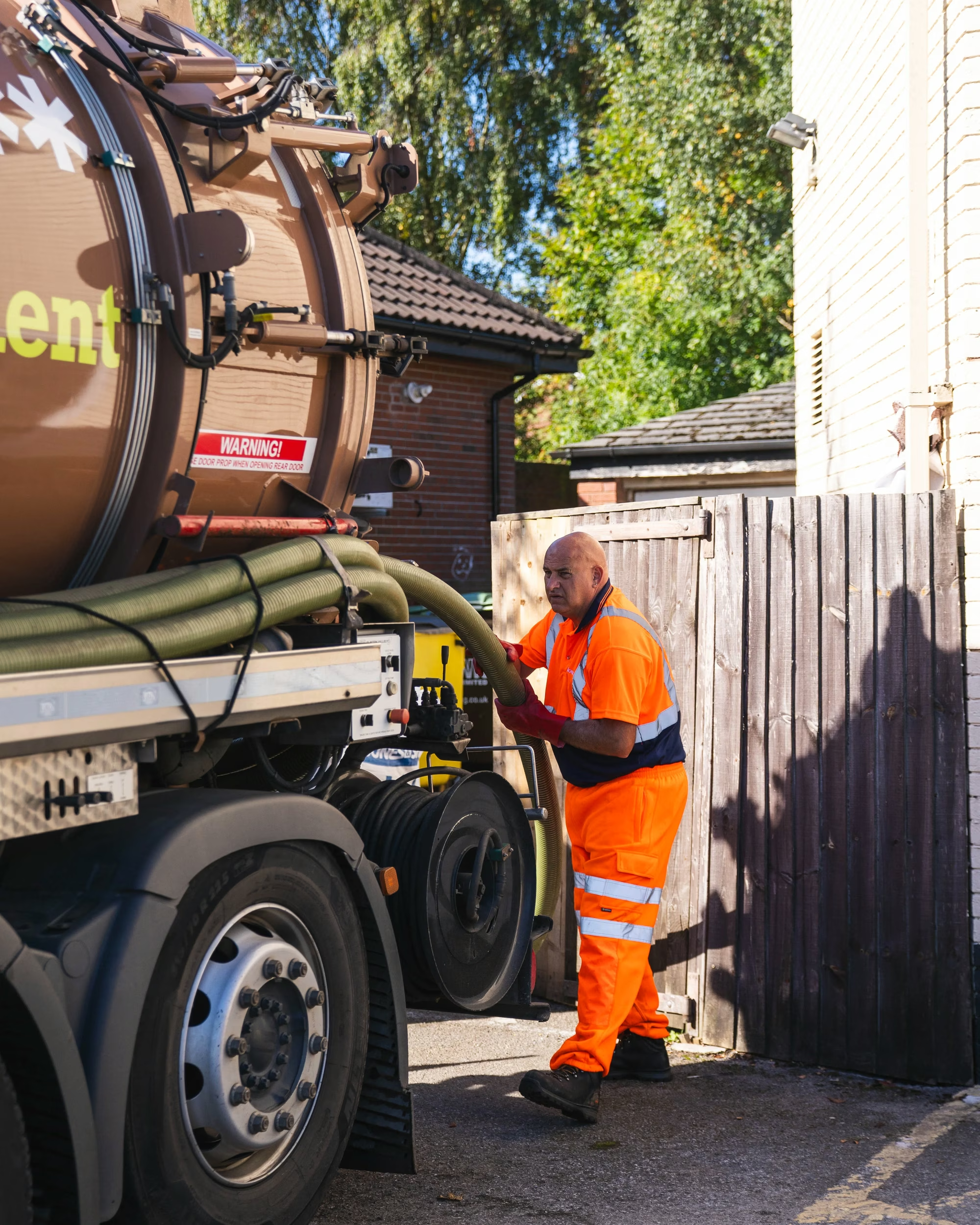
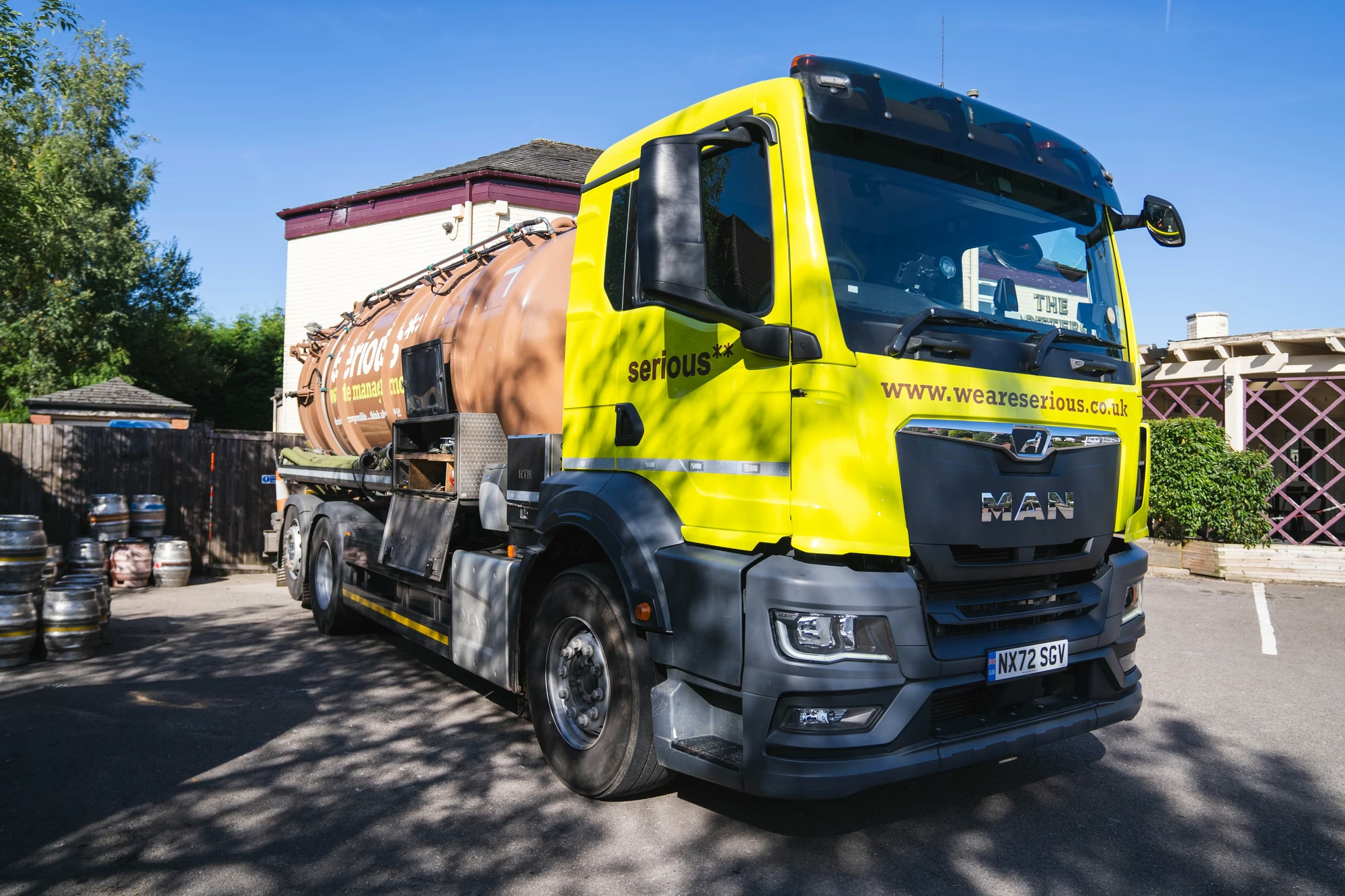
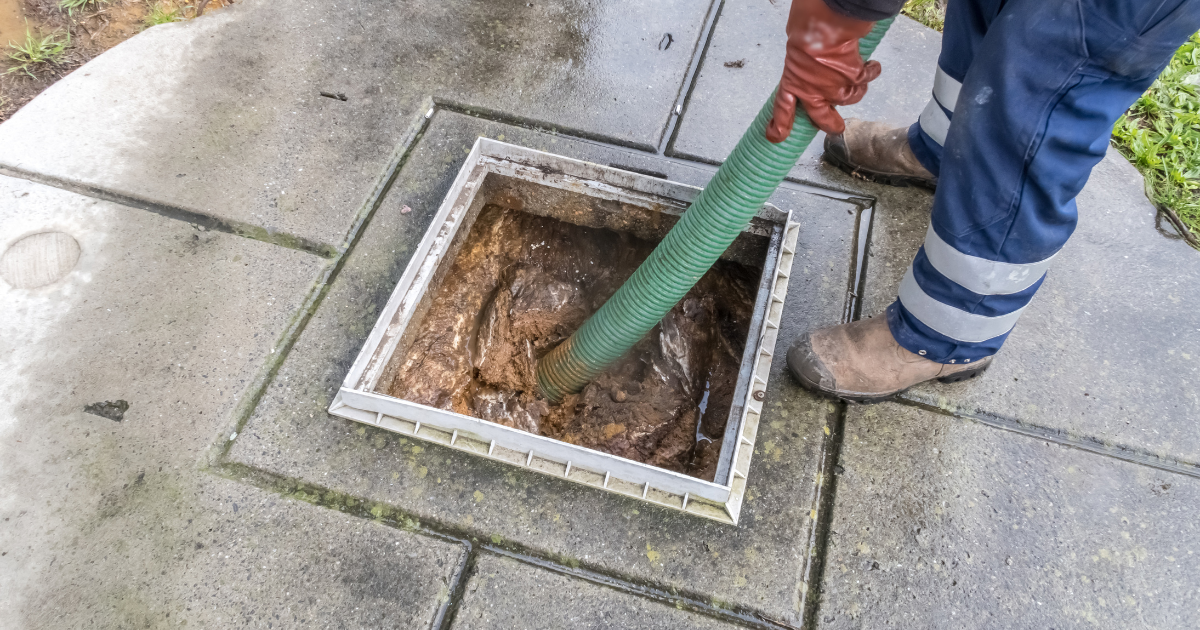
We’ll desludge and tanker the system, removing accumulated solids with our specialist vehicles. We’ll carry out a full inspection of the tank, pipework, baffles, and drainage field. We’ll jet and clear any build-up that could restrict flow before it causes a problem. We’ll check your system against General Binding Rules requirements. And we’ll give you written documentation of everything we’ve found and everything we’ve done.
You leave the visit knowing exactly where your system stands, and holding the paperwork that proves it.
serious** Waste Management: The UK’s Commercial Septic System Specialists
We’ve been doing this for a long time. Our clients include Marston’s Inns, Mitchells & Butlers, UPS, Biffa, Twycross Zoo, the RSPB, Scottish Water, and many more businesses of every size and sector, all of whom need their sewage systems to work without fuss.
We’re not generalists who happen to offer septic maintenance on the side. Sewage management is what we do every day, across the UK. Our team is fully accredited, our vehicles are purpose-built, and our maintenance programmes are designed around your operation, not a one-size-fits-all template.
Whether you need a one-off service, an ongoing maintenance contract, emergency tankering, or a full system installation, we can help.
Don’t Wait for a Failure. Get serious** About Septic System Maintenance Today.
The businesses that avoid costly downtime are the ones that don’t leave it to chance. A scheduled maintenance programme with serious** means your system gets the attention it needs, your compliance stays watertight, and the last thing on your mind is a sewage emergency.
If you’re not sure when your system was last serviced, or you know it’s overdue, now is the right time to sort it.
Let’s get serious about your septic system before it makes that decision for you. Get in touch today.
time to get serious**
Related articles
Why Your Property Might Need a Domestic Sewage Pump Station
If your property sits below the mains sewer or you're planning an extension, gravity drainage might not be enough. Discover the signs that show you need a domestic sewage pump station, how it works, and what to expect from installation and maintenance.
What Is a Cesspool and How Is It Different to a Septic Tank?
Not sure what a cesspool actually is, or how it differs from a septic tank? You're not alone. For anyone managing an off-mains property, understanding the difference between the two can save a lot of confusion, a lot of money, and more than a few headaches.

Top 5 Facts About Fatbergs You Didn’t Know
Fatbergs are massive, troublesome clogs made up of fats, oils, grease (FOG), and non-flushable items like wet wipes, creating serious issues for sewer systems worldwide. These monstrous blockages are not only costly to remove but also pose environmental hazards, leading to water pollution and costly infrastructure repairs.
Domestic Grease Trap: How It Can Save You Thousands in Plumbing Repairs
If you’ve ever dealt with a blocked sink or unexpected plumbing bill, a domestic grease trap could be the simple solution that saves you time, stress, and money.


