

Top 5 Facts About Fatbergs You Didn’t Know
Fatbergs are massive, troublesome clogs made up of fats, oils, grease (FOG), and non-flushable items like wet wipes, creating serious issues for sewer systems worldwide. These monstrous blockages are not only costly to remove but also pose environmental hazards, leading to water pollution and costly infrastructure repairs.
Let's chat about **it
If you're ready to get serious about your sewage systems and grease management, our team of experts is ready to help. Whether you need a new system installed or ongoing maintenance, we provide comprehensive services for both residential and commercial clients.
Fatbergs might sound like something straight out of a science fiction movie, but they are real, and they’re causing big problems in sewer systems around the world. These massive clogs made up of fat, oil, and waste not only damage plumbing but also affect the environment and our wallets.
1. Fatbergs Are Made Up of Everyday Household Items
You might be surprised to learn that the main ingredients of a fatberg are things most of us use regularly. At their core, fatbergs are made up of fats, oils, grease (FOG), wet wipes, and other non-flushable items. When we pour cooking oil, grease, or fat down the drain, they eventually cool down and solidify, forming big clumps that build up over time.
But it doesn’t stop there. Wet wipes, cotton pads, and even diapers often find their way into our toilets, despite most of them not being truly flushable. These items don’t break down as toilet paper does. Instead, they stick to the solidified fat, which makes the fatberg grow even bigger and harder to remove.
2. Fatbergs Can Grow to Weigh More Than a Bus
One of the most jaw-dropping facts about fatbergs is just how huge they can get. In fact, some fatbergs weigh as much as a double-decker bus! To put it in perspective, the infamous fatberg found in London in 2017 weighed an unbelievable 130 tons, about the same as 11 double-decker buses stacked together.
The sheer size of a fatberg shows how much waste is being dumped into our sewer systems. As they grow, these blockages can completely clog up entire sewer systems, leading to major repairs and disruptions. So, while a fatberg might seem like a minor nuisance at first, it can quickly turn into a massive problem.
3. Fatbergs Are Becoming More Common
Fatbergs aren’t just a rare occurrence; they’re becoming more common. Major cities like London, New York, and San Francisco have all seen a rise in the number of fatbergs clogging up their sewer systems. There are a couple of reasons for this. First, more and more people are using wet wipes, which are marketed as “flushable” but actually don’t break down in the way they should. Second, grease and fat from cooking are often disposed of incorrectly by pouring them down the drain.
In some places, authorities are now spending millions of pounds (or dollars) each year just to clear these fatbergs. As the issue grows, it’s becoming clear that we all need to be more mindful of what goes down the drain to avoid contributing to this growing problem.
4. Fatbergs Can Cause Major Environmental Damage
Fatbergs are not just a plumbing nightmare; they can also cause serious damage to the environment. When fatbergs clog sewers, they can lead to wastewater overflows. This means that untreated sewage can spill into rivers, lakes, and even oceans, polluting water and harming wildlife.
The environmental impact doesn’t stop there. The process of clearing fatbergs involves digging up streets, using heavy machinery, and often causing damage to the surrounding area. This not only results in high costs but can also lead to the release of harmful emissions, contributing to climate change. Fatbergs may seem like a small issue at first, but their environmental impact is far-reaching and damaging.
5. Preventing Fatbergs Starts with Simple Changes in Our Habits
The good news is that we can all do our part to prevent fatbergs from forming. And the best part? It doesn’t take much. One of the easiest ways to prevent fatbergs is to never pour cooking oil or grease down the drain. Instead, let fats cool down and dispose of them in the trash. It’s also crucial to avoid flushing wet wipes, even if they say they’re “flushable”; they really aren’t.
Changing these small habits can make a huge difference. If we all stop dumping grease and using non-flushable products, we can prevent fatbergs from forming in the first place. Local councils and waste management companies are also stepping up their efforts to raise awareness about proper disposal practices.
The Growing Fatberg Problem and How We Can Tackle It
Fatbergs are a bigger problem than most people realise. While they might seem strange or far removed from our daily lives, they have a real impact on our infrastructure, our environment, and our wallets. The good news is that preventing them is in our hands. By making simple changes in how we dispose of waste, we can reduce the formation of fatbergs and protect both our plumbing systems and the planet.
To recap, here are the top five surprising facts about fatbergs:
- Fatbergs are made of everyday household items like grease, fat, and wet wipes.
- Fatbergs can weigh more than a double-decker bus, making them massive and difficult to clear.
- The fatberg problem is getting worse due to poor disposal habits and the increased use of non-flushable products.
- Fatbergs can cause significant environmental damage, including polluted waterways and carbon emissions.
- Preventing fatbergs is simple, just make sure to dispose of fats and wipes properly!
By being mindful of our waste disposal habits, we can make a big impact in tackling the fatberg crisis. Let’s do our part to keep our cities, sewers, and environment clean.
Take Action Against Fatbergs Today.
Want to learn more about preventing fatbergs in your home or business? Contact us today for expert advice on waste management and plumbing solutions that can save you from costly sewer issues!
time to get serious**
Related articles
Why Your Property Might Need a Domestic Sewage Pump Station
If your property sits below the mains sewer or you're planning an extension, gravity drainage might not be enough. Discover the signs that show you need a domestic sewage pump station, how it works, and what to expect from installation and maintenance.
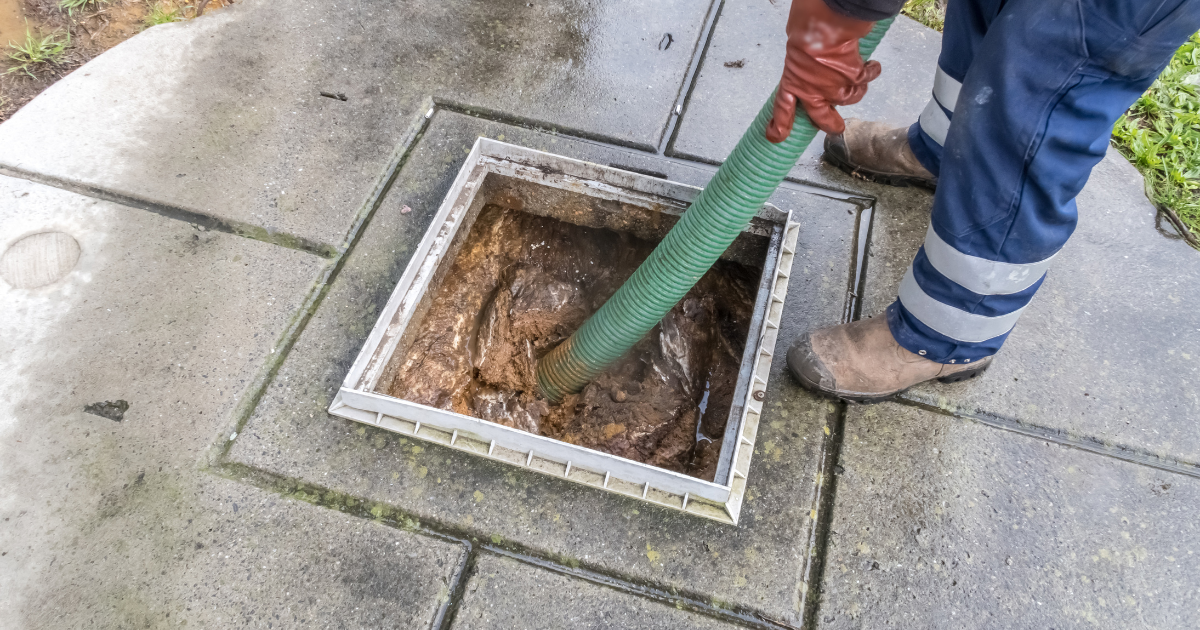
What Is a Cesspool and How Is It Different to a Septic Tank?
Not sure what a cesspool actually is, or how it differs from a septic tank? You're not alone. For anyone managing an off-mains property, understanding the difference between the two can save a lot of confusion, a lot of money, and more than a few headaches.

How Commercial Properties Can Reduce Downtime with Regular Septic System Maintenance
For commercial properties running on a private sewage system, regular septic system maintenance isn't optional, it's what stands between smooth daily operations and an expensive, disruptive emergency.
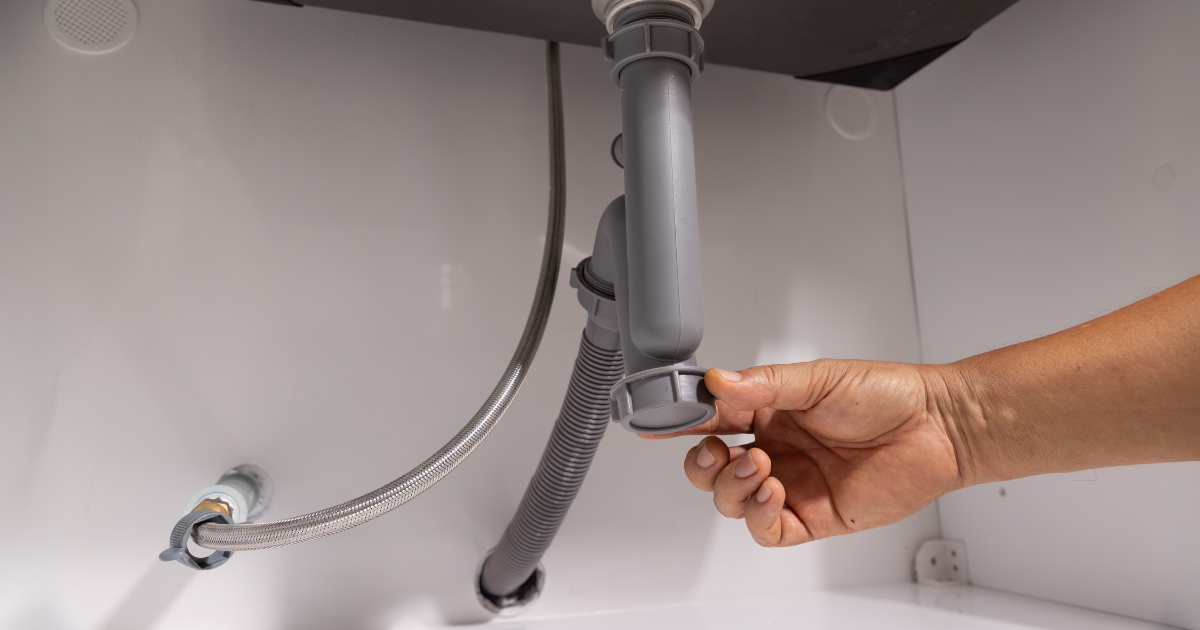
Domestic Grease Trap: How It Can Save You Thousands in Plumbing Repairs
If you’ve ever dealt with a blocked sink or unexpected plumbing bill, a domestic grease trap could be the simple solution that saves you time, stress, and money.


