
How to Dispose of Cooking Oil Without Blocking Your Drains
Fats, oils and grease are a main ingredient in fatbergs. This post explains why cooking oil should stay out of your drains and how our grease management services help kitchens stay clean, efficient and compliant.
Let's chat about **it
If you're ready to get serious about your sewage systems and grease management, our team of experts is ready to help. Whether you need a new system installed or ongoing maintenance, we provide comprehensive services for both residential and commercial clients.
Learn How to Dispose of Cooking Oil
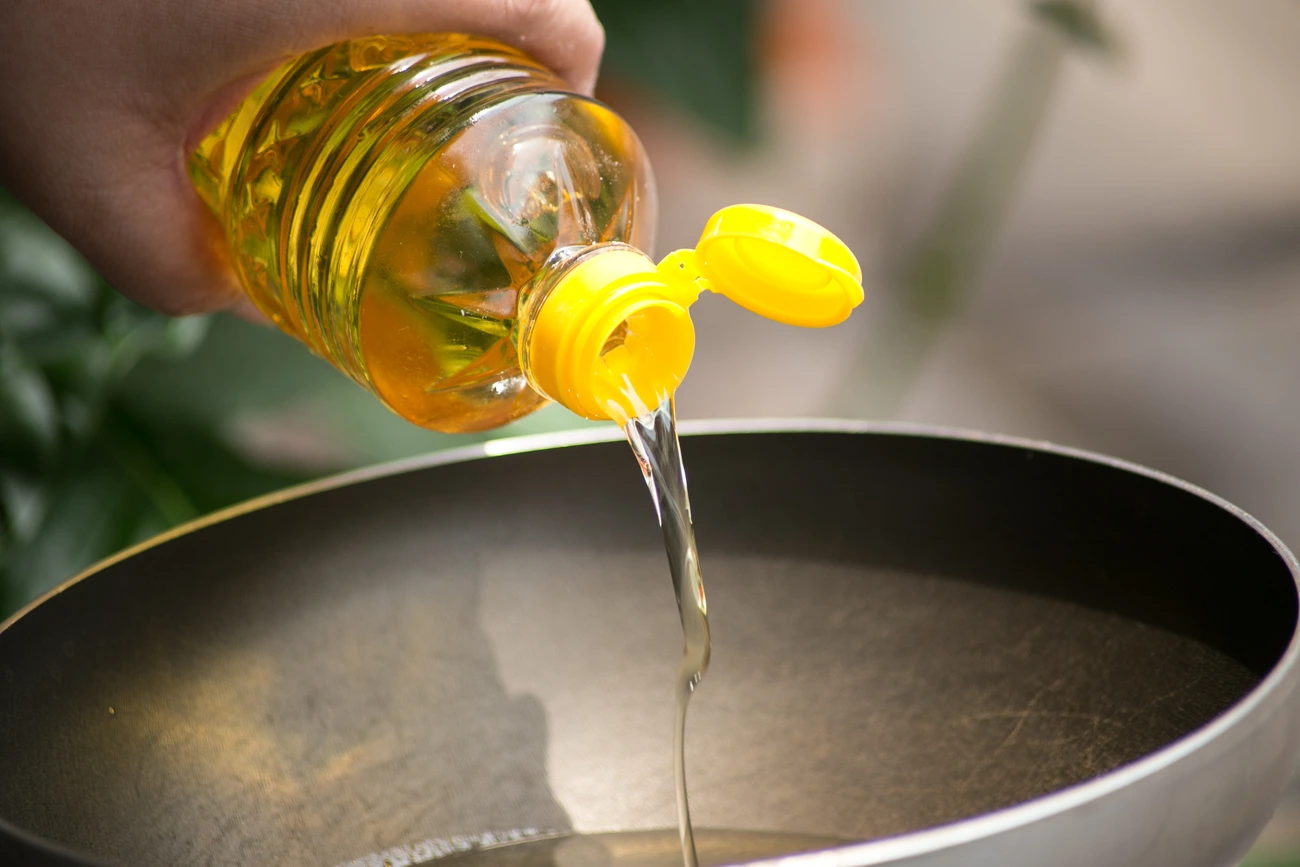
Knowing how to dispose of cooking oil is about more than keeping a kitchen tidy. Fats, oils and grease, often shortened to FOG, are a main ingredient in fatbergs, and these blockages cause real trouble for drains and sewers. We specialise in grease management, so we have put together this guide to explain where used cooking oil should never end up and how the right system keeps it under control.
Why Cooking Oil and Drains Do Not Mix
Fatbergs are massive, troublesome clogs made up of fats, oils and grease, along with non-flushable items such as wet wipes. They create serious problems for sewer systems and are costly to remove. They also pose environmental hazards, leading to water pollution and expensive infrastructure repairs.
This is why cooking oil disposal matters. When you get rid of used cooking oil down a sink, it adds to the very problem that fatbergs create. Keeping oil out of your drains is the first step, and for busy kitchens, a well-maintained grease management system is the next.
How a Commercial Kitchen Can Manage Cooking Oil
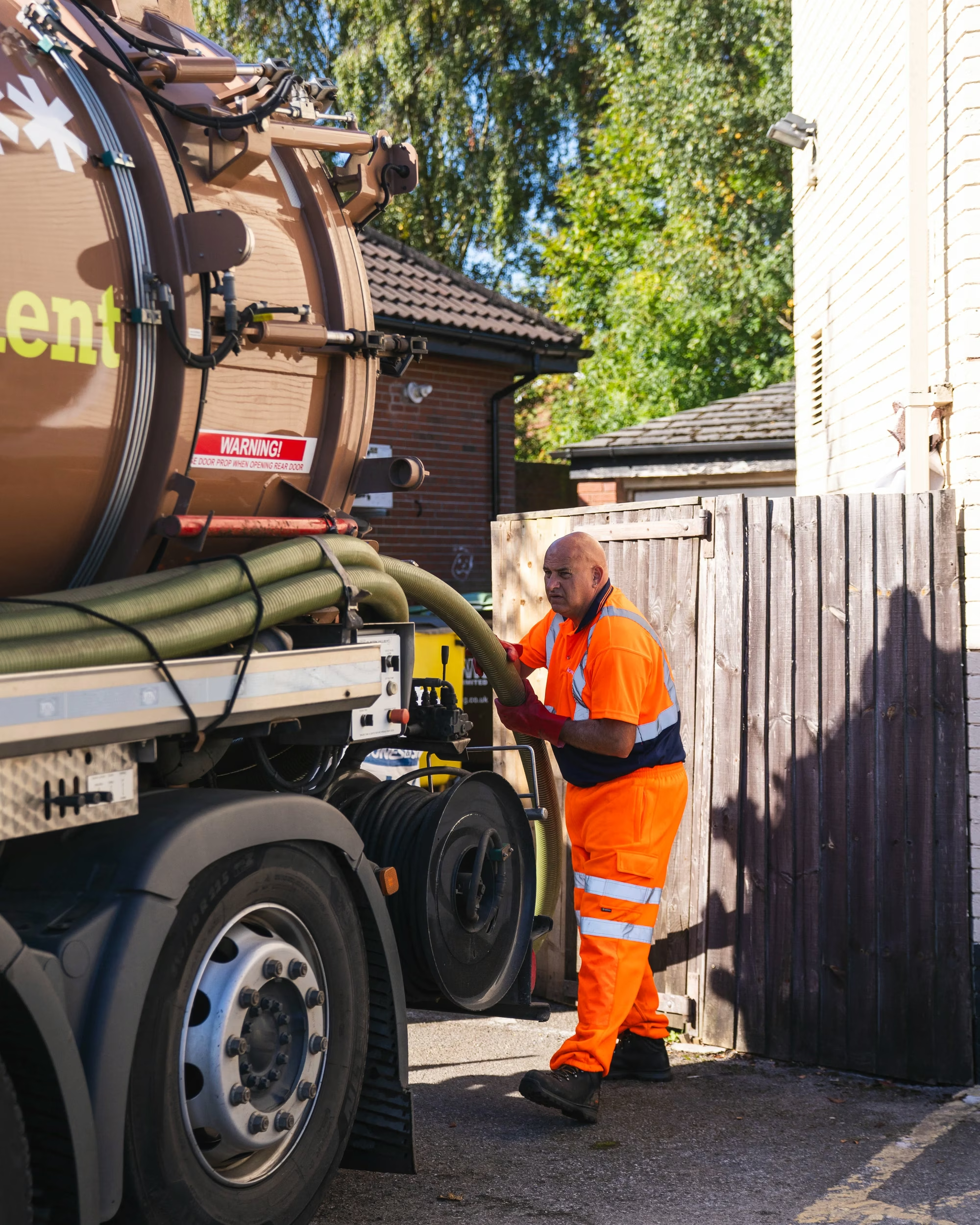
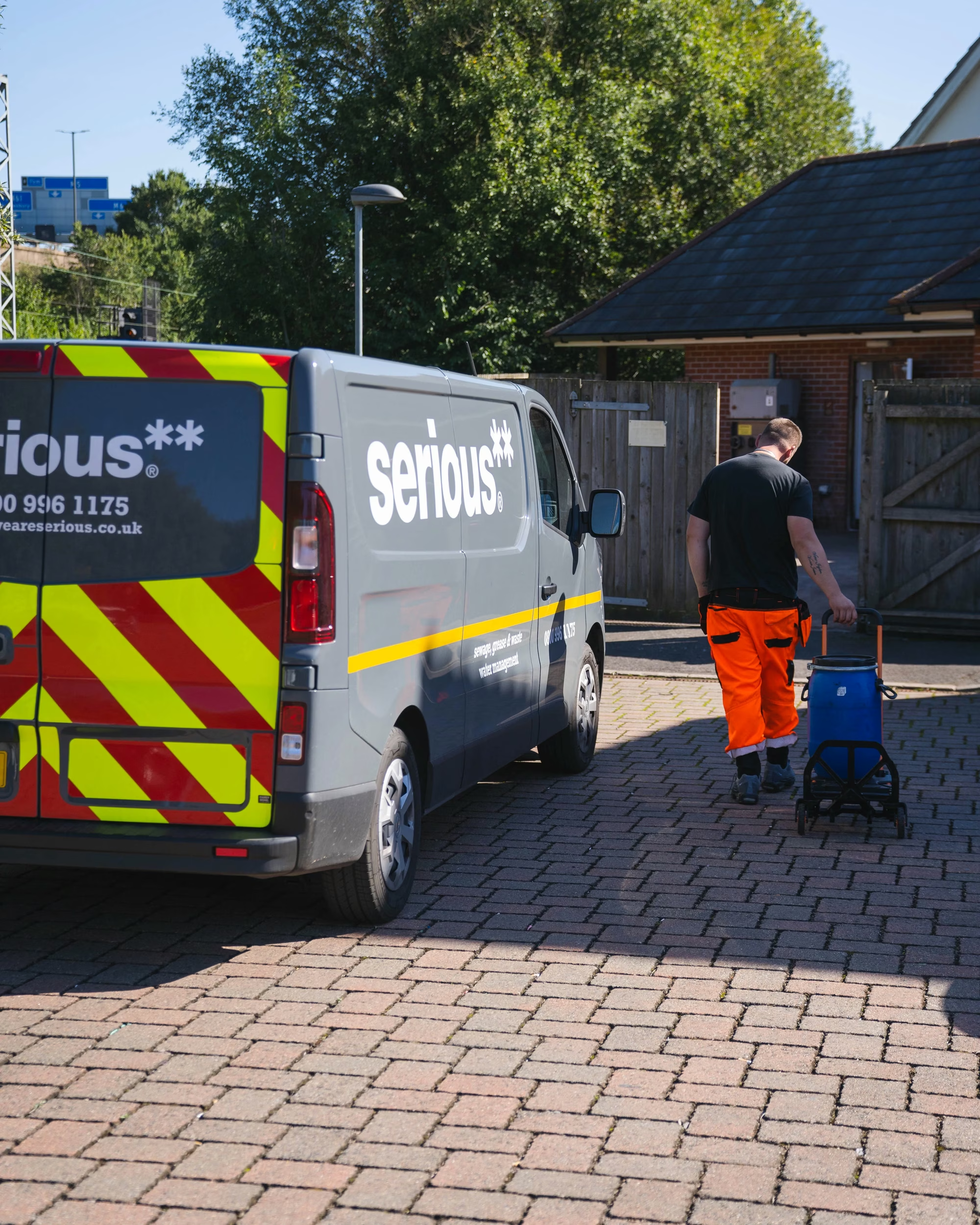
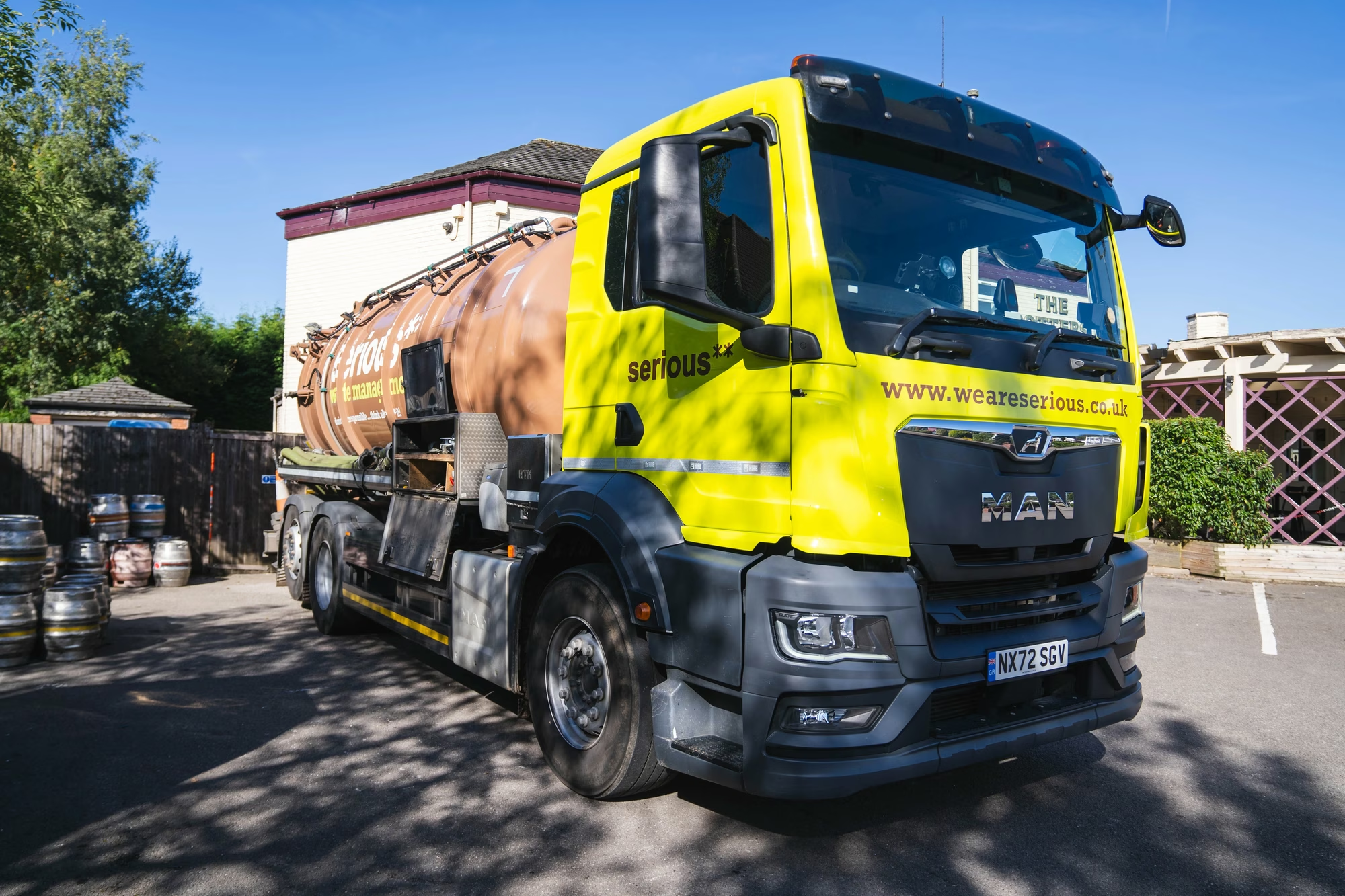
Effective grease management is critical to maintaining a clean, efficient and compliant kitchen environment. That applies to pubs, restaurants, hotels, catering facilities and event venues. Pub groups such as Marston’s Inns and Butcombe Inns trust us with their grease management, and here is how we can help your site.
Grease Trap Servicing and Maintenance
Our team of qualified waste water management professionals offers comprehensive grease trap cleaning and maintenance solutions designed to keep your system running at its best.
Grease Trap Tankering
Our grease trap tankering service makes sure your system is thoroughly emptied and cleaned. This helps with compliance and minimises odours and drainage issues.
Grease Trap Installation and Systems
We design and install grease trap systems across the UK. Our range includes the Big Dipper GRU Automatic Grease Trap, the Trapzilla Grease Trap, grease recovery units, below ground passive grease traps and above ground passive grease traps.
Who Should Be Thinking About Grease Management?
With decades of experience, we specialise in sewage and grease management, helping you stay compliant and keeping your systems running smoothly. We work with:
- Hospitality grease management clients, including pubs, restaurants, hotels, catering facilities and event venues
- Commercial grease management clients who need installation, maintenance and cleaning that meet environmental and water regulations
- Industrial grease management clients, such as manufacturing plants and food processing facilities
Simple Habits That Protect Your Drains
A few small habits make a big difference to your cooking oil disposal:
- Keep fats, oils and grease out of sinks and drains
- Bin non-flushable items such as wet wipes rather than flushing them
- Keep your grease trap cleaned and maintained so it keeps working as it should
- Choose a grease system that suits your site
- Ask for expert advice before a small issue turns into a big one
What to Do If a Fatberg Has Already Formed
Understanding fatbergs, how they form and how to clear them is crucial for businesses, property owners and local authorities alike. Our fatberg removal service is here to help when a blockage has already built up.
Prevention Is Always Better Than Cure
We offer a free grease and sewage site survey. We assess your existing systems, identify potential issues and recommend practical, cost-effective solutions tailored to your site. It is a simple way to check your cooking oil disposal set-up before problems appear.
Ready to Get Serious About Cooking Oil Disposal?
Talk to our friendly team about your grease management needs. Call us on 0800 988 8020 or get in touch today, and let’s talk seriously about all things grease management.
time to get serious**
Related articles
Why Your Property Might Need a Domestic Sewage Pump Station
If your property sits below the mains sewer or you're planning an extension, gravity drainage might not be enough. Discover the signs that show you need a domestic sewage pump station, how it works, and what to expect from installation and maintenance.
What Is a Cesspool and How Is It Different to a Septic Tank?
Not sure what a cesspool actually is, or how it differs from a septic tank? You're not alone. For anyone managing an off-mains property, understanding the difference between the two can save a lot of confusion, a lot of money, and more than a few headaches.

How Commercial Properties Can Reduce Downtime with Regular Septic System Maintenance
For commercial properties running on a private sewage system, regular septic system maintenance isn't optional, it's what stands between smooth daily operations and an expensive, disruptive emergency.

Top 5 Facts About Fatbergs You Didn’t Know
Fatbergs are massive, troublesome clogs made up of fats, oils, grease (FOG), and non-flushable items like wet wipes, creating serious issues for sewer systems worldwide. These monstrous blockages are not only costly to remove but also pose environmental hazards, leading to water pollution and costly infrastructure repairs.


